
Designer Collaboration: Carrying Vision into a Product System
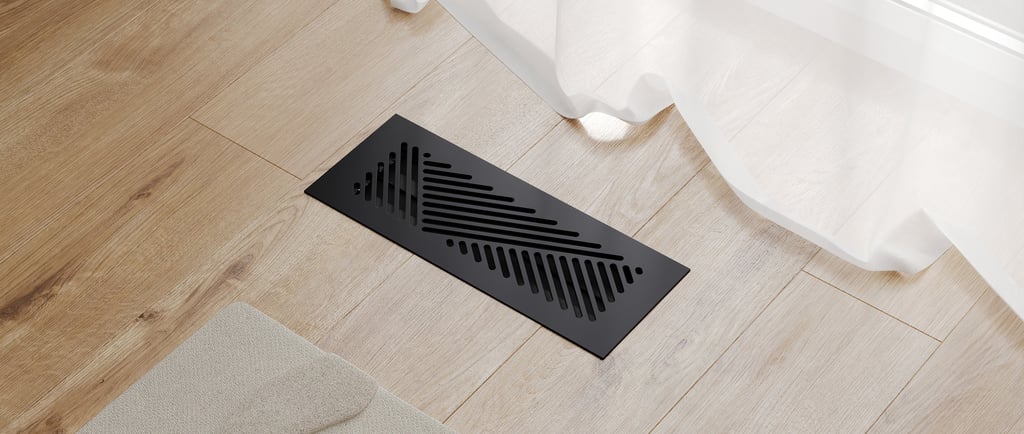
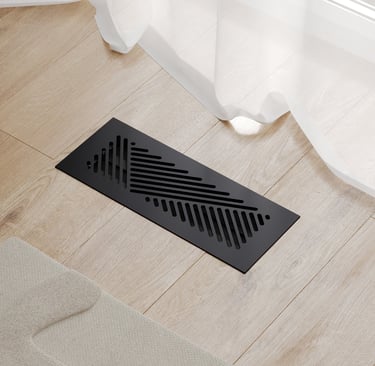
Reggio Registers partnered with internationally recognized designer, Clodagh on a collection of architectural grilles inspired by coastal texture, natural forms, and movement.
I joined after the original creative direction and four pattern concepts had been established. My role was to help carry that design language into a scalable product collection and its customer-facing launch. I brought design judgment to product translation, creative quality assurance, visualization, and visual storytelling.
I partnered with Reggio’s product and manufacturing specialists to make design questions visible as the collection moved toward final product formats.


What Came Next
In a subsequent confidential designer collaboration, I was invited into the work earlier, while the product direction was still being defined. My role expanded from protecting an established design language through execution to helping interpret creative intent, frame design tradeoffs, and shape the visual direction of a developing product.
Working alongside technical product partners, I translated qualitative design feedback into clear visual considerations and the relationship between character and product requirements.
This marked a meaningful expansion in responsibility: from carrying a defined vision into market to helping establish the visual direction that could become a viable product.
What began as four square vent-cover designs needed to expand into a full product line: rectangular sizes, slim toe kicks, round shapes, and approximately 40 standard sizes per style. Each adaptation needed to preserve the original aesthetic throughline while accommodating different proportions, physical constraints, and manufacturing realities.
My role was not to make engineering decisions. It was to identify where product decisions could change the visual character of the work, articulate the tradeoff, and help the team protect the principles that made the collection recognizable.
The project surfaced issues involving scale, structural feasibility, repeat dynamics, and how the pattern translated from the original square format into long and narrow, round, and other varying proportions.
I also considered airflow performance alongside visual and technical accuracy. The drawings informed laser cutting and appeared in product specifications. Trade professionals relied on them to plan installations, evaluate fit, and determine when a custom size was required. Just as importantly, customers could order multiple products across a home and expect them to look cohesive together.


Lifestyle Direction
I developed the visual direction for lifestyle renderings that placed the collection in warm, quiet residential environments. Rather than presenting grilles only as isolated objects, the scenes showed how the organic patterns could contribute to an interior—connecting product function with materiality, atmosphere, and architectural context.


Product Visualization
I reviewed product renderings and customer-facing visual assets to help ensure the collection was represented consistently within Reggio’s established catalog and that its material, finish, and visual character translated clearly.
Outcome
The Clodagh collection launched as four distinct architectural grille patterns, Pebbles, Shoreline, Driftwood, and Seafoam, unified by a shared visual language rooted in coastal texture and movement.
My work helped carry that language from an established designer vision into a coherent product and launch experience: making the collection legible as a family, credible within the Reggio assortment, and desirable in the spaces customers imagine for their homes.


